
Your body has detectors that can sense both the saltiness of your water, and the volume of the water. If these detectors reckon that you are dehydrated, they send a signal to the posterior pituitary gland, which starts pumping out ADH. The job of ADH is to stop you urinating, so you hang on to your precious water.
Preventing dehydration when drinking beer
When the human body senses it is getting dehydrated, ADH is produced by the pituitary gland to reduce urination. Excessive urination causes your body to lose vital electrolytes. These include things like sodium, potassium, calcium, and chlorine. In conclusion, while wine does have a diuretic effect, moderate consumption is unlikely to lead to significant dehydration.
Reduced Vasopressin Production
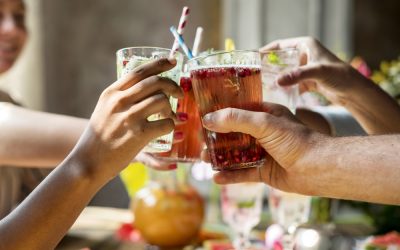
The main difference between non-alcoholic and regular beer is the absence of alcohol in the former, which is the main cause of dehydration in regular beer. Alcohol inhibits the production of the antidiuretic hormone vasopressin, leading to increased urination and fluid loss. Non-alcoholic beers, by skipping the alcohol, avoid this issue.
Monitor alcohol intake:
Although the kidneys remove waste products, most of the water loss is due to the effect of vasopressin. So what can you do to make sure you don’t get that infamous hangover headache caused by dehydration? Let’s find out and get a little background on why alcohol dehydrates you in the first place. If you don’t want to deal with dehydration from alcohol, the best (and most obvious) preventative measure is not to drink alcohol. Its diuretic effects lead to wrinkled, gray, lackluster skin that can look swollen and puffy. Dehydration can impair physical coordination and reaction time, leading to an increased risk of accidents, such as falls or injuries.

What to do if you’re dehydrated
The amounts can vary depending on your personal response, heat index, and the type of activity. Parents should make sure that children and teens are getting adequate hydration throughout the day. The American Academy of Pediatrics recommends that children drink plenty of fluids before starting any exercise and continue to drink during physical activity. Juices and sports drinks are also hydrating — you can lower the sugar content by diluting them with water. Reaching for hydrating beverages is the best way to alleviate a hangover’s unpleasant effects — but not every liquid fits this bill. And if red wine can wine dehydrate you salt doesn’t appeal to you, Welch has confirmed you can make white wine salt instead, which sounds ideal for a roast chicken.
Stick to ‘light’ coloured drinks
- They are grown without pesticides and herbicides, and do not need to go through specific cleaning solutions.
- Remember, alcohol dehydration has both acute and chronic effects.
- The frequency and duration of drinking can also impact the dehydrating effects of alcohol.
- Generally speaking, the higher the alcohol content of a drink, the more dehydrating it will be.
- This is important because increased urination flushes electrolytes and nutrients out of your system, as well as fluid.
- So, if you want to stay hydrated, it is best to sip your beer slowly and ensure you are also drinking water.
You’re likely to urinate what is alcoholism 100 mL more for every standard drink you consume (10 mL of alcohol). If you binge drink, you’ll likely lose 500 to 1,000 mL of fluids, causing dehydration. Besides dehydration, alcohol can have other negative effects on the body. For this reason, a person should drink alcohol in moderation and avoid binge-drinking or chronic heavy drinking.
- The higher the alcohol content of a particular drink, the greater this effect becomes.
- This article discusses everything you need to know about the short-term effects of alcohol.
- Alcoholic beverages like wine have their pleasures, but drinking too much wine or other alcohol in short order can leave you feeling dizzy, tired, and even with a headache.
- If you want to tap into these foods, reach for oatmeal, yogurt, soup, and smoothies.
- Unfortunately, alcohol reduces the natural production of vasopressin in your body.
Is hard alcohol low-carb?
Limit your intake to recommended levels, typically one glass for women and two for men. Beer is a diuretic, which means it causes you to urinate more frequently, leading to a potential loss of fluids and dehydration. The alcohol in beer suppresses the release of the anti-diuretic hormone (ADH) or vasopressin, which normally signals the kidneys to reabsorb water instead of passing it as urine. This results in increased urination and potential dehydration. However, it is important to note that the rate at which you consume alcohol also impacts dehydration levels.