

Over time, it helps you remain in compliance with any repayment obligations outlined in your financial statements. To clarify, it’s important to understand that within QuickBooks, the transactions recorded in your CC account represent liabilities. This means each purchase or charge you make and enter into this account increases your liability, reflecting money you owe.
The importance of liabilities when acquiring or selling a company
- Examples include pending lawsuits, product warranties, and potential tax assessments.
- It’s particularly useful for evaluating the sustainability of long-term debt.
- Instead, these expenses are recorded as short-term liabilities on the company’s balance sheet until they are settled.
- Revenue needs to be recognized in the income statement when related risks and rewards are transferred to the customers or buyers of products/services.
- Depending on the repayment period, notes payable might be short-term or long-term.
- When you buy or sell goods and services, you must update your business accounting books by recording the transaction in the proper account.
- These expenses include items such as wages, rent, utilities, and other expenditures necessary to keep the business running smoothly.
In this Accounting Basics tutorial I discuss the five account types in the Chart of Accounts. I define each account type, discuss its unique characteristics, and provide examples. Business owners typically have a mortgage payable account if they have business property loans.
Interest payable
Accrued Expenses are expenses that a company has incurred but not yet paid. These expenses are recorded in the income statement and the corresponding liability is reported in the balance sheet. Examples of accrued expenses include wages payable, interest payable, and rent expenses. Unearned revenues, or deferred revenues, arise when a company receives payment for goods or services it has yet to deliver.
Liabilities and Equity

The current/short-term liabilities are separated from long-term/non-current https://aprenderingles.org/what-is-the-capital-cost-that-must-be-considered/ liabilities. Liability generally refers to the state of being responsible for something. The term can refer to any money or service owed to another party. Tax liability can refer to the property taxes that a homeowner owes to the municipal government or the income tax they owe to the federal government.

Accounting reporting of liabilities
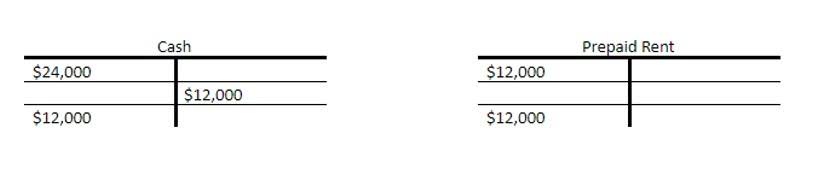
These liabilities are documented when a loss is likely, and the amount may be what account type is considered a liability? anticipated. Unearned money is frequent in businesses like travel and hospitality, where clients pay in advance for future bookings or reservations. As each month passes, a portion of the deferred revenue is recognised as revenue, reflecting the services provided during that period. If not managed well, this debt can hurt your credit score and make it harder to get loans in the future.
- Keeping an eye on this part of your assets current category helps you effectively plan for potential sales, ensuring your income statement remains accurate.
- Assets can be defined as objects or entities, both tangible and intangible, that the company owns that have economic value to the business.
- Although the recognition and reporting of the liabilities comply with different accounting standards, the main principles are close to the IFRS.
- They’re any debts or obligations that your business has incurred that are due in over a year.
- For example, if a company owes money to its suppliers for goods that have been received, the accounts payable would be considered a company’s liability.
- This shows you exactly how much money you’re spending in utilities.
- In short, there is a diversity of treatment for the debit side of liability accounting.
For example, a mortgage payable impacts both the financing and investing sections of the cash flow statement. As the company makes payments on the mortgage, the principal portion of the payment reduces the mortgage payable, while the interest portion is accounted for as an interest expense. Depreciation amortization must be tracked over long periods, which makes it easy for them to fall through the cracks. QuickBooks payroll accounts encompass payroll expenses, taxes, and benefits. This ensures your salaries and other employee-related costs remain organized. Effective payroll tracking is key for a reliable income statement.

Interest rates on short-term loans are typically higher than long-term financing options, reflecting increased risk to lenders. For instance, a business contribution margin might secure a loan with an annual percentage rate (APR) of 8% to 12%, depending on creditworthiness and lender terms. These rates can significantly impact borrowing costs, making it essential for financial managers to evaluate the necessity and cost-effectiveness of such loans.
Other Assets
- Other examples of liabilities include Notes Payable, Mortgage Payable, Salaries Payable, Unearned Rent, and Unearned Revenue.
- Examples – trade creditors, bills payable, outstanding expenses, bank overdraft etc.
- It enables stakeholders such as investors, creditors, and regulatory agencies to evaluate a company’s financial health, debt levels, and repayment capabilities.
- Having a good understanding of the account types is necessary for anyone creating accounts, posting transactions and journal entries, or reading financial reports.
- The businesses usually maintain separate accounts for revenues and all incomes earned by them.
Always stay aware of payment deadlines set by law or agreements. Without knowing liabilities, it’s hard to measure net worth accurately. Managing these helps maintain accurate financial records and ensures proper budgeting. Properly managing these is key to staying financially stable and improving your net worth. Boost your confidence and master accounting skills effortlessly with CFI’s expert-led courses!